This newsletter signup form needs a storage option. Edit the block and enter a storage location via the Storage tab.
MARKEATING | One Conversation Your Leadership Team Should Be HavingJuly 2026
J U L Y 2 0 2 6
Marketing Can Increase Profit Without Increasing Traffic.
For years I’ve been trying to solve the same problem: why is marketing still treated as something restaurants turn to when they need more guests, instead of something that helps build a healthier business?
I think it’s because we’ve historically separated operations and marketing into two different jobs. Operations runs the restaurant. Marketing fills the seats.
That division made sense years ago. But, I don’t think that works anymore, thinking about those disciplines sequentially or separate like that.
No, I don’t mean the person responsible for your marketing should be involved in scheduling, just like your servers shouldn’t run your social media channels—those things are tactical. I mean that there’s an opportunity in recognizing that marketing isn’t just about filling seats and creating demand. (I hate to bring this up here, because I know you know, but it’s also not just about the advertising, printing, and promotion costs often mistaken for “marketing” that show up as expenses on your P&L).
Marketing is, perhaps more interestingly and by that I mean considerably more interestingly, not just useful in creating demand, but it’s your secret weapon in impacting not just revenue, but your profitability when used to direct where that attention and demand goes. Collaboratively. With those responsible for operations. From the very start. In fact, what you’re communicating about your brand is already influencing things like ordering behavior, whether you’re doing that intentionally to impact your bottom line or not.
The best operators understand that marketing shapes guest expectations before they arrive, influences what they notice once they're there, and reinforces what they remember after they leave… AND that the guest experience is made up of a million decisions those guests will never see, most of which aren’t owned by either operations or marketing, rather both simultaneously. That’s not just in an ideal world. It’s the reality.
At the end of the day, your guests don’t care about anything other than what they think they know about who you are, what you serve and how easy it is for them to commit to giving you a try, AND that their experience once they get there meets or exceeds their expectations. They don’t know where operations ends and marketing begins. They only experience one restaurant.
If the way you perceive marketing means thinking its work is done when your guests get to the door, your operation isn’t running at full capacity, even if every table is full and every single thing that guests experience while they’re inside is executed perfectly.
So, speaking of your marketing efforts to drive traffic and put butts in seats while increasing the probability that every seat filled contributes meaningfully to the sustainability of the business… Here's just one example of how to get started.
Make the next meeting with everyone responsible for the guest experience, marketers and operators, about leveraging menu engineering as a growth strategy. When marketing knows which dishes are the most profitable, and operations understands how guest attention is shaped, the business can intentionally guide demand toward the items that create the greatest value.
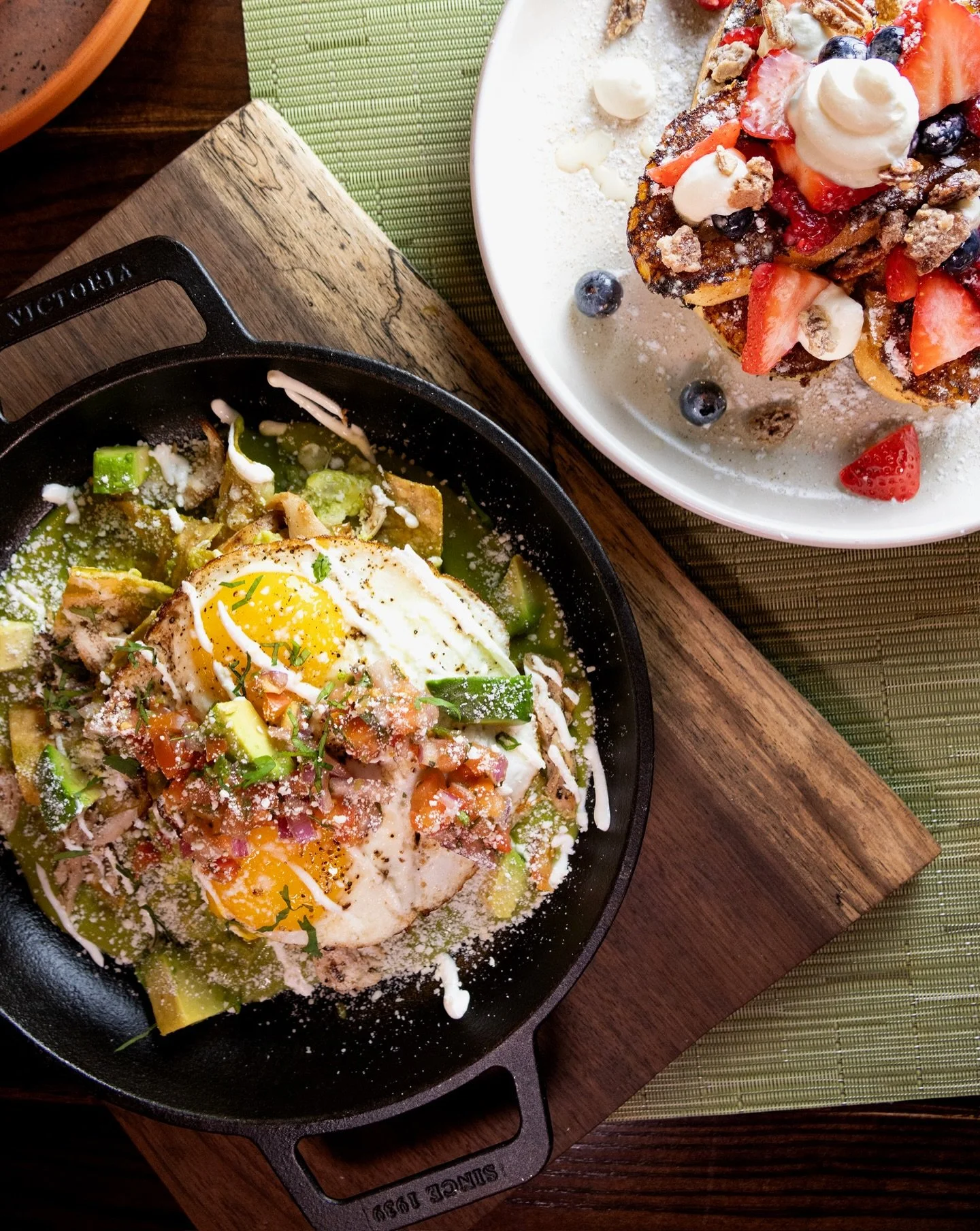
The dishes you photograph, the stories you tell, the emails you send, the features on your website, what guests remember from Instagram before they visit… all of it subtly narrows the choices people make once they see your menu. But, I’m going to venture to guess that it’s been a while since the person responsible for your marketing slash co-experience strategist was looped in on operational conversations about which menu items have the highest margins, or which have shortest ticket times, only require the use of one station, or come out the most consistently every time.
If we know your marketing influences what guests notice, remember, and ultimately order, then there’s an obvious next question. Are we intentionally directing guests toward the menu items that create the most value for both them and the business?
Make it happen below. But before you go, did you get a chance to think about that question I’m grappling with? Why is marketing still treated as a cost center responsible for acquiring new customers when its function can increase profitability and help shape the sustainability of a business as a whole?